DMARC for Digital Agencies: Managing Client Domains
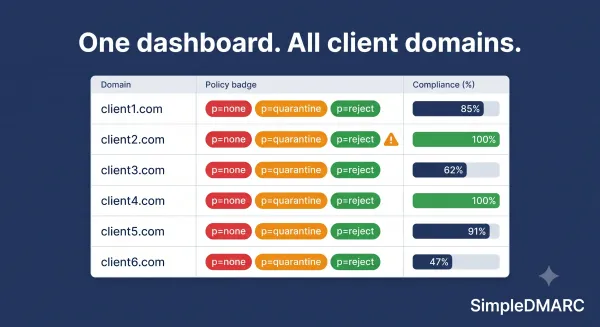
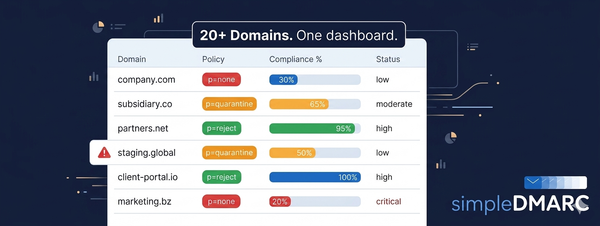
Digital agencies managing client DMARC face a problem most platforms ignore: you pay more when clients get attacked. Here's a smarter way to manage domain portfolios.
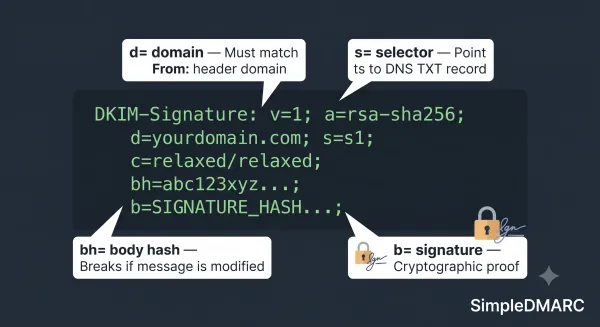
DKIM keys should be rotated periodically to limit exposure if a key is compromised. Here's how to rotate DKIM keys without breaking email delivery.
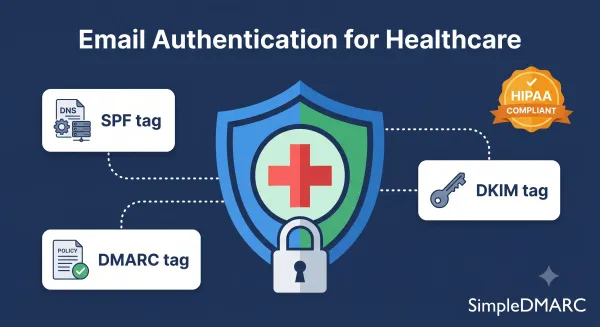
HIPAA's Security Rule requires technical safeguards that DMARC directly addresses. Here's how DMARC fits into healthcare email compliance and why it matters now.
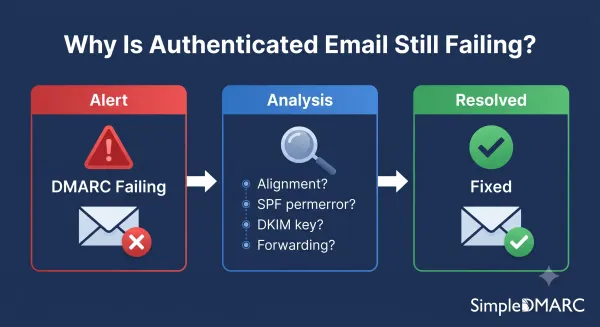
Your email is authenticated but still failing DMARC? Here's how to diagnose alignment failures, SPF permerror, DKIM selector issues, and forwarding problems.
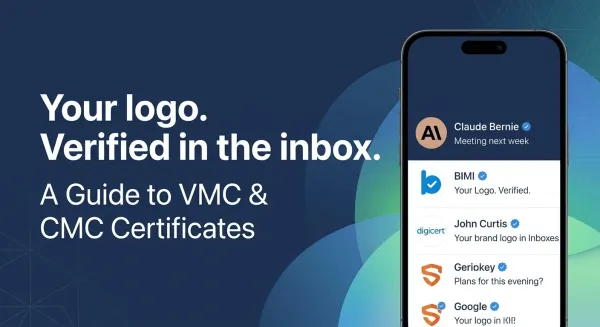
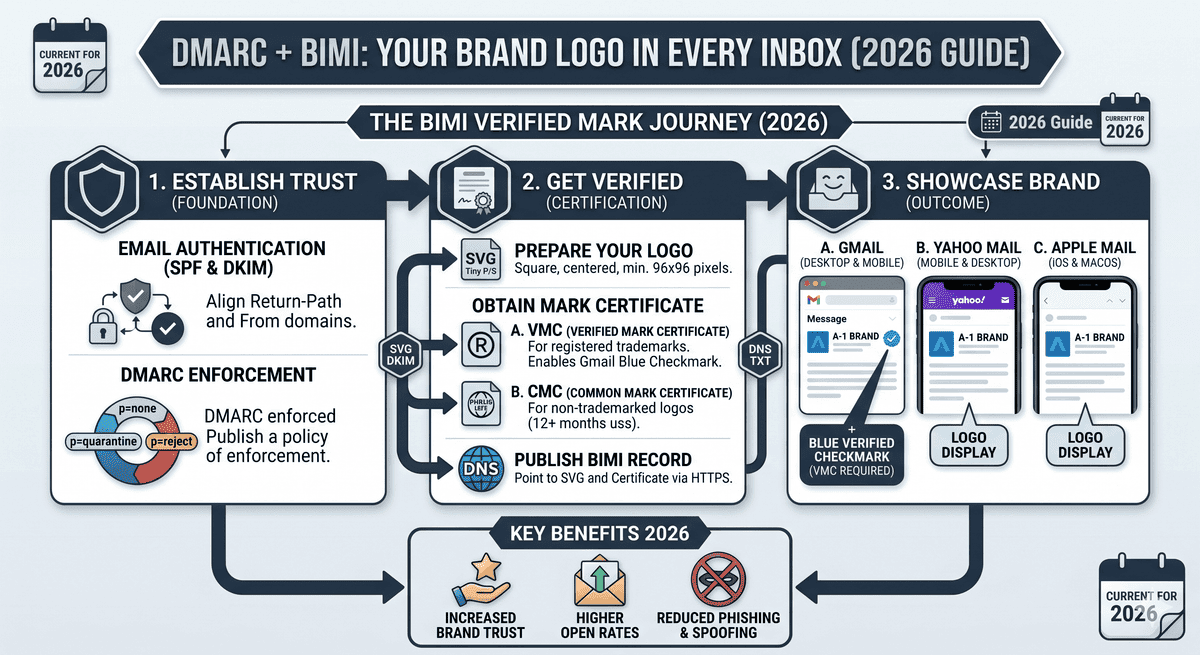
BIMI lets your brand logo appear in email inboxes. With Microsoft now supporting it, the question isn't whether it works — it's whether the cost justifies it.
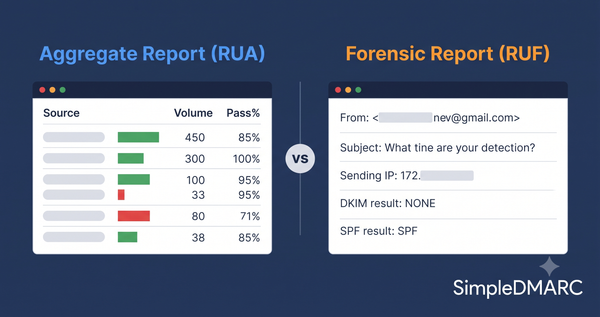
DMARC forensic reports give message-level failure detail, but most mailbox providers don't send them. Here's when enabling RUF is worth it and when to skip it.
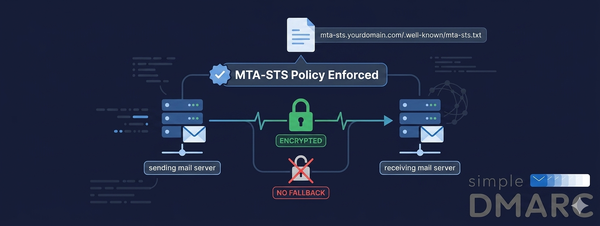
MTA-STS forces TLS encryption on inbound email — closing the gap DMARC leaves. Learn what it is, how it works, and how to set it up in 30 minutes.
Practical guides on DMARC, SPF, DKIM, BIMI and email deliverability from the team behind SimpleDMARC's DMARC monitoring platform.
Enterprise DMARC management across multiple domains, audit compliance, and reporting. How storage-based pricing changes the economics for mid-market organizations.
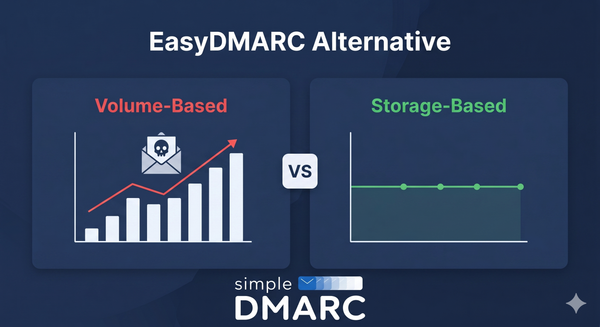
Looking for an EasyDMARC alternative? Compare SimpleDMARC vs EasyDMARC on pricing, features, and MSP support. Storage-based pricing means attack traffic never counts.
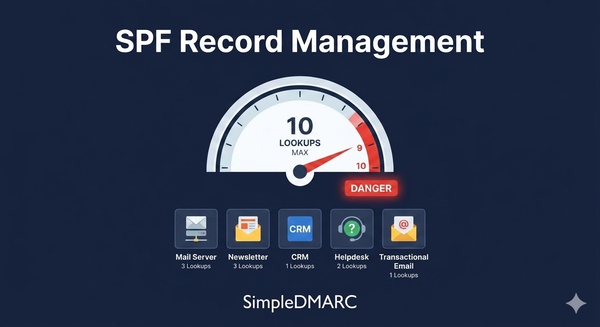
SPF records break silently when you hit the 10-lookup limit. Learn how to audit, fix, and maintain your SPF record — including SPF flattening explained simply. URL slug: spf-record-management
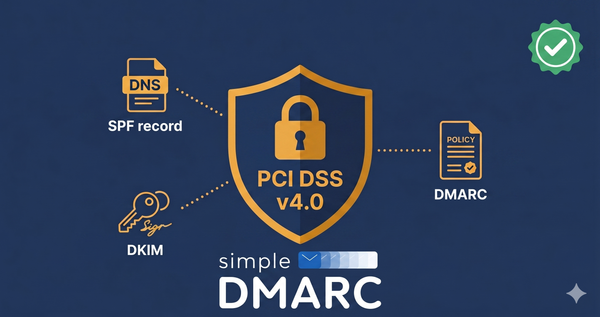
PCI DSS v4.0 requires DMARC for organizations processing payment data. Here's exactly what's required, who it applies to, and how to verify compliance.
BIMI is the email standard that puts your company logo next to your messages in supported inboxes. In Gmail it shows up as a circular avatar in the sender column.
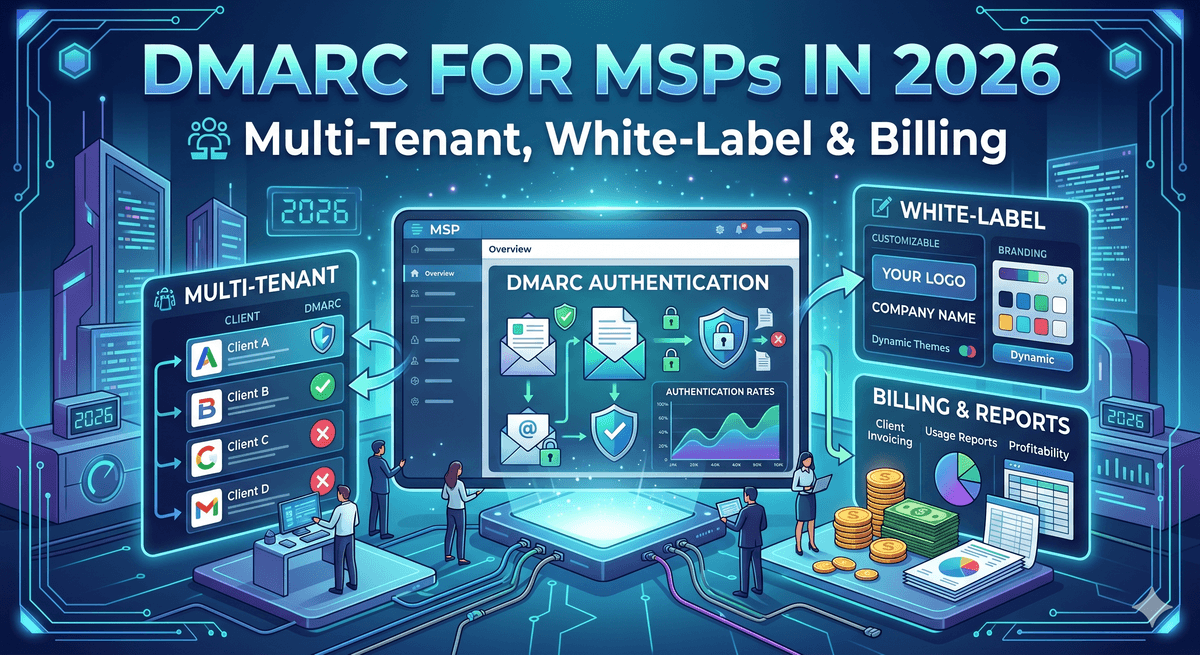
DMARC is becoming a standard line item in MSP security stacks, mostly because clients are getting bounced mail from Gmail and Outlook and asking why. The actual challenge for MSPs isn't the DMARC protocol itself — that part is well-documented.
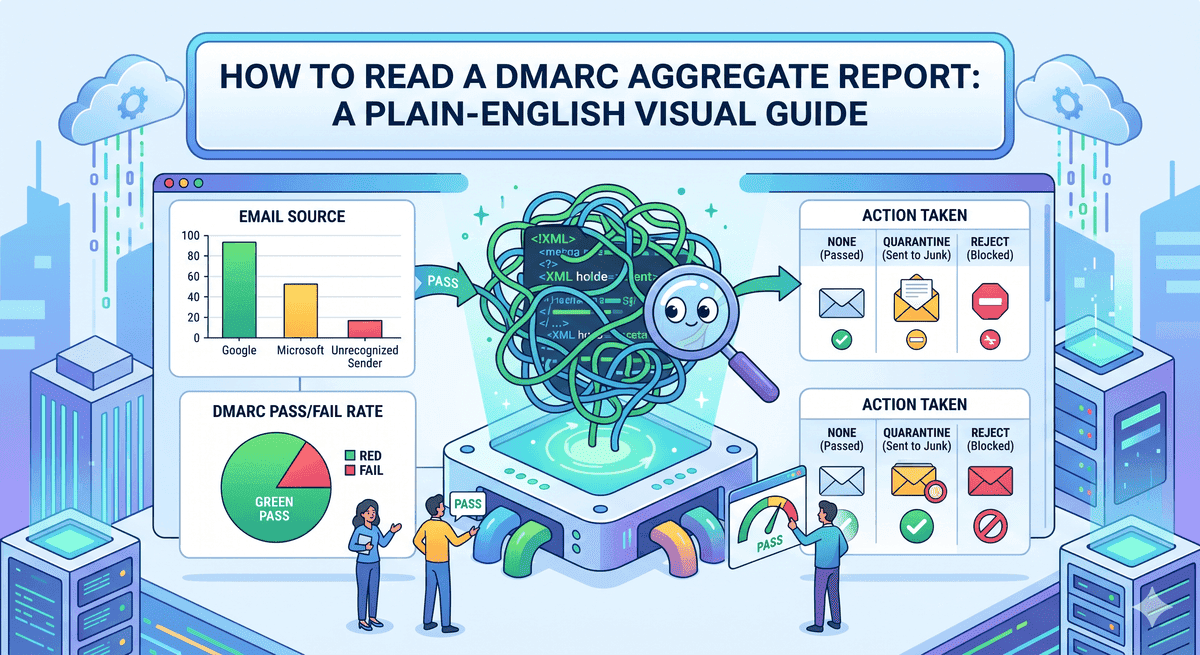
You signed up for DMARC, set up the record, and now your inbox has files arriving from Google, Yahoo, and Microsoft with names like `google.com!yourdomain.com!1747094400!1747180800.xml`.
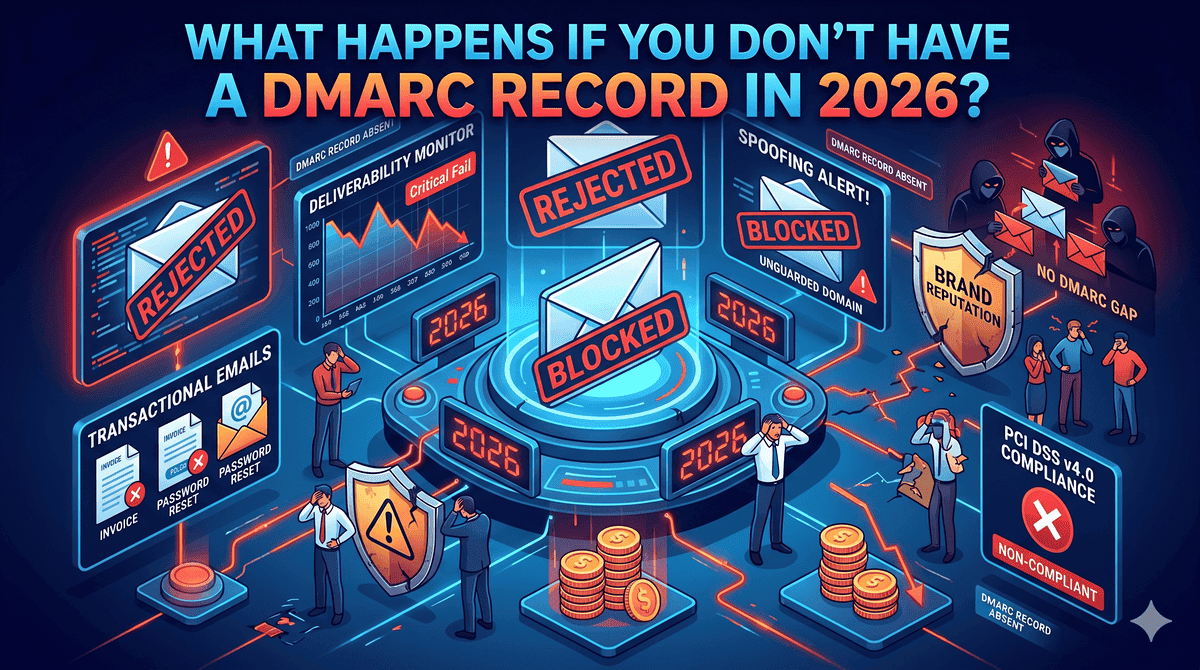
Short version: your email to Gmail, Yahoo, and Outlook addresses gets rejected. Not delivered to spam, not delayed for retry. Bounced, with a `550` error.
Scammers send emails every day pretending to be from businesses like yours. A customer gets a fake invoice that looks like it came from your company, pays it, and then comes back angry when the real invoice arrives.
If your domain's DMARC policy is still set to `p=none`, you can see who's attacking you — but you can't stop them.
Picture this: your CEO's email address just sent 50,000 phishing emails to your customers. Except it wasn't actually your CEO. Welcome to the world of domain spoofing, where anyone can pretend to be anyone else — unless you've got DMARC, BIMI, and VMC working for you.
A straightforward guide to understanding domain spoofing attacks, why your business domain is a target, and what you can do about it today.